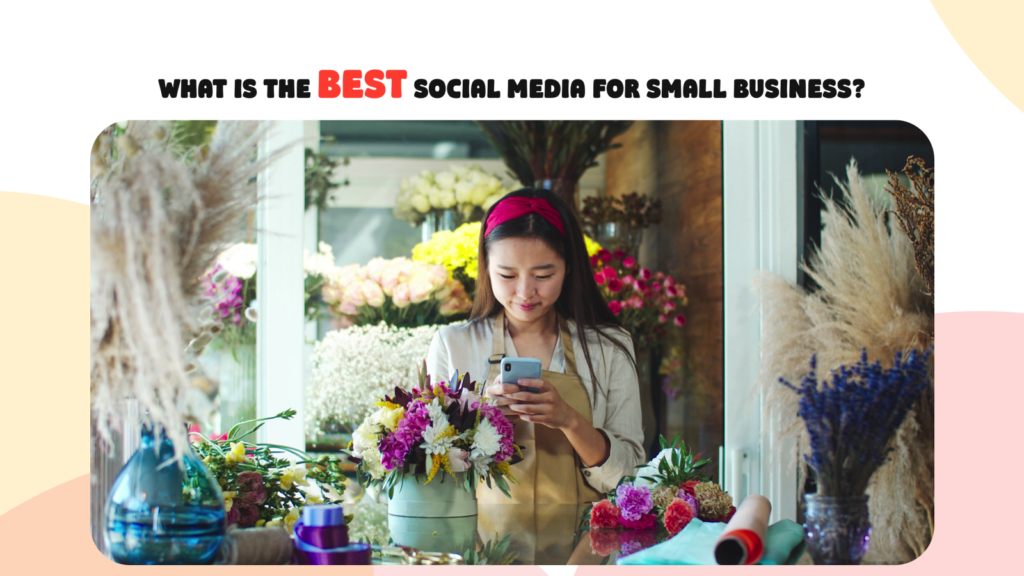
What is the best social media for small business? For most small businesses, I recommend starting with Instagram, Facebook, and TikTok, especially if you are willing to create short-form video content. But that doesn’t necessarily mean your business needs to be active on every social media platform. The best platform depends on what you’re trying to accomplish. Are you trying to reach new people? Generate leads? Sell products online? Build professional relationships? Promote a local business or event?
Each platform has its own strengths, and understanding those differences can help you spend your time and marketing budget much more effectively. For most small businesses, I recommend thinking about social media in two different ways: organic marketing and paid advertising. Once you understand the difference between the two, choosing the right social media platforms becomes a lot easier.
What Social Media Should a Small Business Use?
For most businesses, I recommend some combination of Instagram, Facebook, and TikTok. More importantly, I recommend prioritizing Reels and TikTok videos rather than relying entirely on graphics, text posts, or Stories. Why? One of the biggest advantages of short-form video is its potential to reach people who don’t already follow your business.
When you create an Instagram Reel, Facebook Reel, or TikTok, the platform can recommend that video to users based on what it believes they might be interested in. That gives your business an opportunity to get in front of completely new people.
It’s also why the “algorithm” has become such a controversial character in all of our lives. Everyone wants the algorithm to favor their content. But instead of trying to find a secret trick or hack, I recommend focusing on making better content. Is your video entertaining? Helpful? Emotional? Funny? Educational? Shareable? Does it immediately give someone a reason to stop scrolling?
If people watch, engage with, or share your content, you’re giving the platform positive signals that people are interested in what you’ve created. That means you don’t necessarily need thousands of followers to get thousands of views. A small business with a relatively small audience can still create a video that reaches significantly more people than currently follow its account. This is one of the reasons I believe short-form video is such an important part of organic social media marketing for small businesses.
Organic Social Media vs. Social Media Advertising
But we’re still wondering: What is the best social media for small business? But before deciding which social media platform is best for your business, you should understand the difference between organic social media marketing and social media advertising. Organic social media marketing is essentially the content your business posts without paying the platform to distribute it.
Your Instagram Reels, TikToks, Facebook posts, Stories, photos, graphics, educational videos, memes, and behind-the-scenes content are all examples of organic social media marketing.
You’re creating content, posting it, and giving the platform an opportunity to distribute it to your audience and potentially recommend it to new people.

Advertising works differently.
With social media advertising, you are paying a platform to intentionally distribute your content to an audience. Instead of simply posting something and hoping the right person comes across it, you can create an advertising campaign designed around a specific business goal.
Maybe you want someone to visit your website. Maybe you want them to purchase a product. Maybe you want someone to send your business a message or submit their contact information.
Organic marketing and advertising don’t have to compete with each other either. In fact, I recommend using them together. Organic content can help people become familiar with your business, demonstrate your expertise, show your personality, and build trust. Advertising can then help you intentionally put your business in front of more of the people you want to reach.
Facebook and Instagram for Small Businesses
If you’re wondering what the best social media for small business marketing is, Facebook and Instagram are usually near the top of my list. From an organic perspective, Facebook and Instagram give businesses access to Reels, which can help your content reach beyond your current followers.
A contractor could show a before-and-after renovation. A hairstylist could answer a common question. A restaurant could show a dish being prepared. A lawyer could explain a commonly misunderstood legal term. The goal isn’t always to sell something immediately. Sometimes the goal is simply getting the right person to recognize your business.
Facebook and Instagram become even more valuable when you introduce Meta advertising.
Meta’s advertising platform gives businesses a variety of ways to build audiences and create campaigns around specific marketing goals. Depending on your campaign and available targeting options, you can reach audiences using factors such as location, demographics, interests, behaviors, and existing customer data.
There are also different ways you can generate leads. For example, I frequently recommend Messenger-style advertising for service businesses. Instead of asking someone to leave social media, visit a website, navigate a landing page, and complete a form, you can encourage them to simply start a conversation with your business. Other campaigns can send people directly to your website, promote a specific service, generate leads, or advertise to people within a certain geographic area. For many small businesses, the combination of organic Reels and Meta advertising makes Facebook and Instagram a great place to start.
TikTok for Organic Reach and E-Commerce
TikTok is another platform small businesses should consider, particularly if you have the ability to create interesting short-form videos. TikTok is heavily centered around content discovery. People aren’t only scrolling through videos from accounts they already follow. They’re constantly being introduced to creators, businesses, products, and topics based on what the platform thinks they’ll find interesting. That’s a huge opportunity for a small business.
Instead of thinking about TikTok as another place to upload commercials, think about what your potential customers would actually want to watch. Answer questions. Show your process. Demonstrate a product. Tell a story. Talk about a mistake people commonly make. Show behind-the-scenes footage. Teach people something about your industry.
You can promote your business without every video feeling like an advertisement.
It can also be particularly interesting for TikTok e-commerce businesses. If you have a product that is visually interesting, demonstrable, surprising, or easy to understand quickly, short-form video gives you an opportunity to show people exactly why they might want it. TikTok advertising can support those efforts as well, particularly for product-focused and e-commerce brands.
LinkedIn for B2B and Relationship-Based Businesses
LinkedIn is a little different from Facebook, Instagram, and TikTok. In my own experience as a marketing agency owner, LinkedIn has rarely caused someone to immediately see one of my posts and buy something. What it has caused is conversations.
For the right type of business, those conversations can be incredibly valuable. If you’re selling SaaS, consulting, commercial services, financial services, professional services, or another B2B offering, your sales process may depend more heavily on relationships and trust. In that situation, LinkedIn may make a lot of sense.
You can use videos, written posts, industry observations, case studies, and educational content to consistently demonstrate what you know. Think about the way people actually make larger B2B purchasing decisions. Someone might follow you for months before they ever need your service. They may see your posts repeatedly, learn from your content, and slowly become familiar with your name.
Then one day, their company needs exactly what you provide. They already know who to call. That’s a very different customer journey than someone seeing a product on TikTok and purchasing it that same night, but it can still make social media incredibly valuable.
What Is the Best Social Media Strategy for Your Small Business?
There isn’t one social media platform that every small business needs to use. If you’re looking for a starting point, I recommend Instagram, Facebook, and TikTok for most small businesses, particularly when you’re creating short-form video. If your business is primarily B2B or depends heavily on professional relationships, LinkedIn may deserve more of your attention.
If you’re promoting local events, paid advertising on platforms such as Facebook, Instagram, and even Snapchat can also give you opportunities to reach people based on location.
Ultimately, the better question isn’t just, “What social media platform should I use?”
It’s, “What do I want social media to accomplish for my business?”
Your answer should determine the platform, content, and strategy you use. I started Marketing With Morgan to help businesses answer those questions and turn social media into an actual marketing strategy. From short-form video and organic content to Meta advertising, TikTok, SEO, and complete digital marketing campaigns, we can help determine where your business should show up and what you should be doing once you’re there.